Zurich, Switzerland, September 14, 2026
Originally published in German by Computerworld on September 3, 2026. Written by Christian Bühlmann. The English version below is a translation of the original article.
Global Cyber Conference 2026
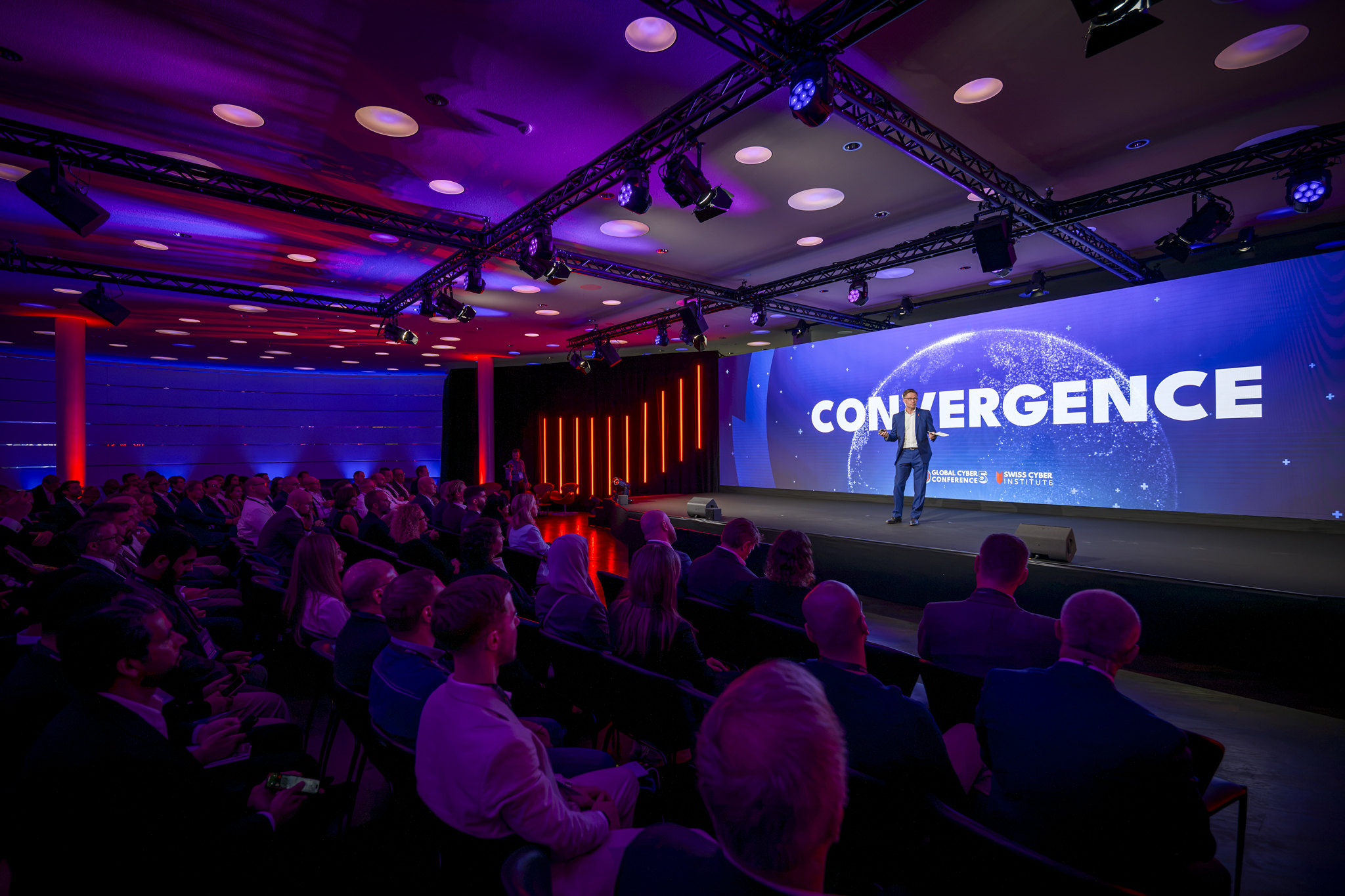
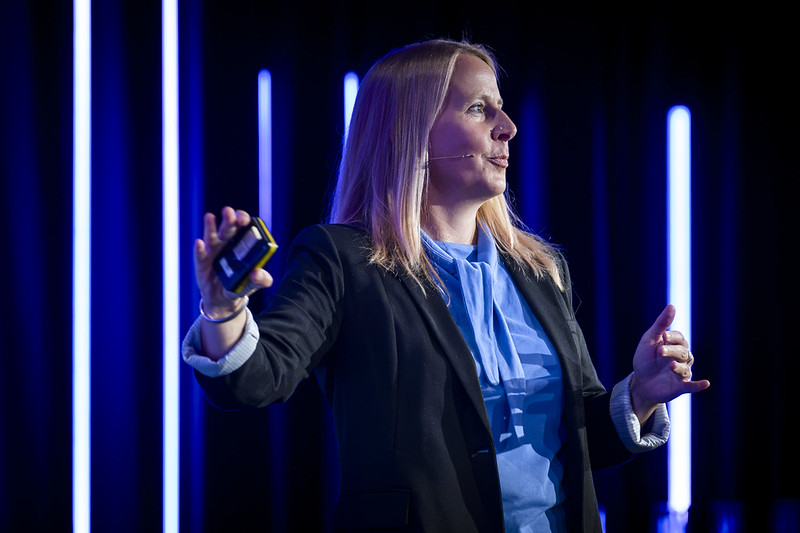
Cyberattacks do not stop at national borders or company walls. That makes direct exchange among security leaders, public authorities, academia, and business all the more important. The Global Cyber Conference 2026 in Zurich brought together more than 300 specialists and executives. The focus was on cybersecurity, artificial intelligence, and quantum technologies.
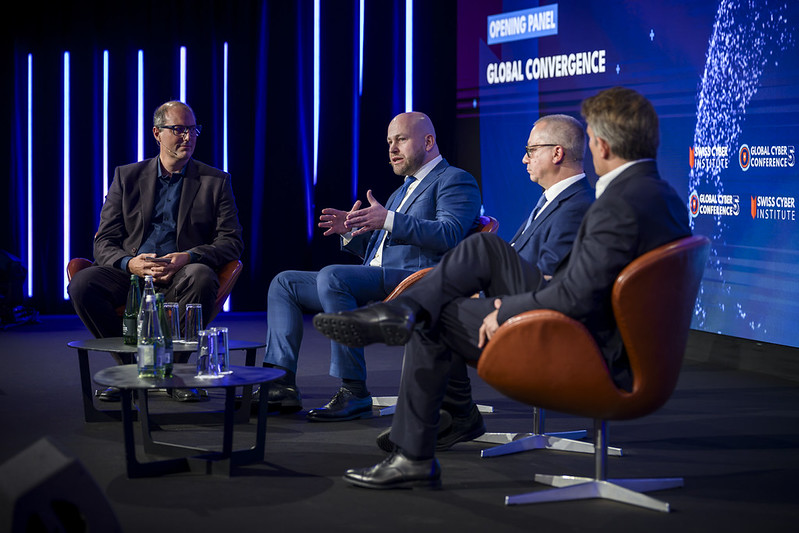
Companies can no longer view cybersecurity in isolation. They depend on cloud platforms, software suppliers, international partners, and increasingly on AI systems. A vulnerability at one service provider can affect entire supply chains, a geopolitical conflict can trigger digital attacks, and an uncontrolled AI agent can expose confidential data.
This is the challenge the fifth edition of the Global Cyber Conference addressed. Under the theme “Convergence,” it brought together three areas that are increasingly difficult to separate: traditional cybersecurity, AI security, and post-quantum security. The conference is organized by the Swiss Cyber Institute. Networking played a more prominent role than in previous editions.
Three developments are converging
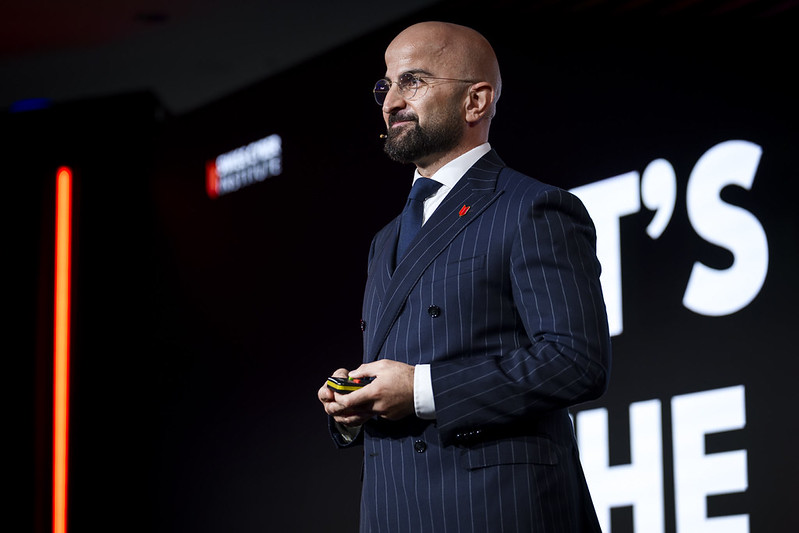
The choice of topics reflects the current landscape. Artificial intelligence speeds up the work of defenders, but it also allows attackers to automate and scale their activities. At the same time, AI systems are increasingly taking on tasks within business-critical processes. The question is therefore no longer just how companies use AI, but also how they control its decisions, protect the data it uses, and limit autonomous actions.
At the same time, companies need to address quantum technology. Powerful quantum computers could eventually threaten encryption methods in common use today. The transition to quantum-safe methods therefore begins before those systems become available. Sensitive data that needs long-term protection can already be stolen today and decrypted later.
Geopolitical risks now belong on the cyber agenda as well. According to the World Economic Forum’s Global Cybersecurity Outlook 2026, 94% of surveyed executives expect AI to be the most important driver of change in cybersecurity this year. Some 64% of organizations already factor geopolitically motivated cyberattacks into their security planning. At the same time, concerns about dependencies within digital supply chains are growing.
From agentic attacks to digital sovereignty
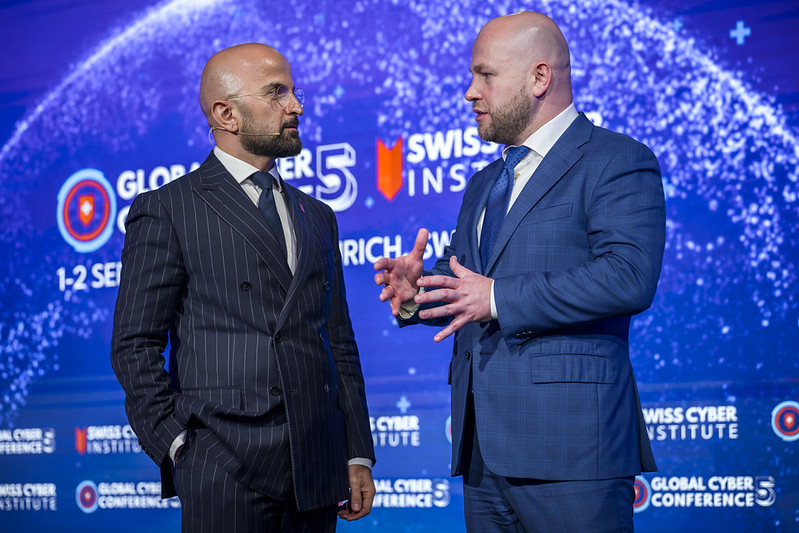
This year’s conference program addressed these developments through keynotes, panels, roundtables, and practical formats. The first day focused, among other things, on the changing role of the CISO, cybersecurity culture, the pressure on security teams, and lessons from real attacks.
One focus was agentic AI systems. Attackers can use them to automate individual steps of an attack, analyze information, and continuously adapt their approach. Companies therefore need to learn how to detect and respond to attacks at machine speed. At the same time, they need to monitor their own AI tools and identify shadow AI in the workplace.
Other sessions addressed cyber risks in supply chains, translating technical threats into business decisions, and what changes after a serious security incident. On the second day, the program included the agentic Security Operations Center, continuous security testing, data trust, AI governance, identity security, digital sovereignty, and the future of work. Ukraine’s perspective on cyberwar also showed how closely digital attacks and geopolitical conflicts are now connected.
An international and interdisciplinary lineup
The quality of a security conference is not defined by the number of presentations alone, but by the range of perspectives it brings together. In Zurich, specialists and executives from companies, public authorities, law enforcement, academia, and consulting took part.
Participants included Florian Schütz, Director of the National Cyber Security Centre, and Luca Tagliaretti, Executive Director of the European Cybersecurity Competence Centre. Corporate participants included Jan Fecko, Group CISO at Ericsson, and Jens Zerbst, CIO at energy company Vattenfall. They were joined by Jonathan Sinclair, Head of Cyber Security for Pharma Technical Operations at Roche, and Douglas Andrews, CISO at Galenica.
International security and research perspectives came from, among others, Ivan Kalabashkin of the Security Service of Ukraine, Oxford professor Lucas Kello, and Monica Kello of King’s College London. Swiss experts included Arlind Spahija, Head AI at Migros Bank, Maya Bundt, board member and Chair of the Steering Committee for the National Cyber Strategy, and Anna-Lena Horlemann, Professor of Quantum Computing and Information Theory at the University of St. Gallen.
The presence of specialists from human resources, organizational development, data protection, policing, and regulation was equally relevant. Cyber resilience is no longer a purely technical discipline. It also involves leadership, corporate culture, responsibilities, communication, and the ability to make decisions under pressure.
Attackers exchange information too
International exchange is especially important today. Cybercriminals divide tasks, trade access credentials and attack tools, and offer their services across borders. State-backed, ideologically motivated, and financially motivated actors sometimes use the same methods and infrastructure.
The European Union Agency for Cybersecurity (ENISA) is observing growing overlap in the tools and tactics used by different threat actor groups. Its Threat Landscape 2025 is based on 4,875 analyzed incidents. Phishing was the main entry point in around 60% of the cases studied. At the same time, AI models and digital dependencies within supply chains are themselves becoming targets.
Switzerland is not immune to this trend. In the second half of 2025, the National Cyber Security Centre received 29,006 voluntary reports and 145 reports of cyber incidents subject to mandatory reporting. The NCSC’s semiannual report points, among other things, to ransomware, phishing variants tailored specifically to Switzerland, and attacks on international software supply chains.
If attackers share experience, tools, and infrastructure, defenders should not remain confined to organizational or national silos. CISOs need to know what attack patterns other companies are seeing, how security incidents can actually be handled, and which measures have proven effective in practice. Personal networks also create trust, a prerequisite for sharing information quickly and openly during a crisis.
More than a series of presentations
This is where one of the Global Cyber Conference’s particular strengths lies. Its balance of 50% knowledge sharing and 50% networking deliberately leaves plenty of room for direct conversation. Roundtables, networking breakfasts, and interactive formats are designed not simply for exchanging business cards, but for sharing experiences, mistakes, and approaches that work.
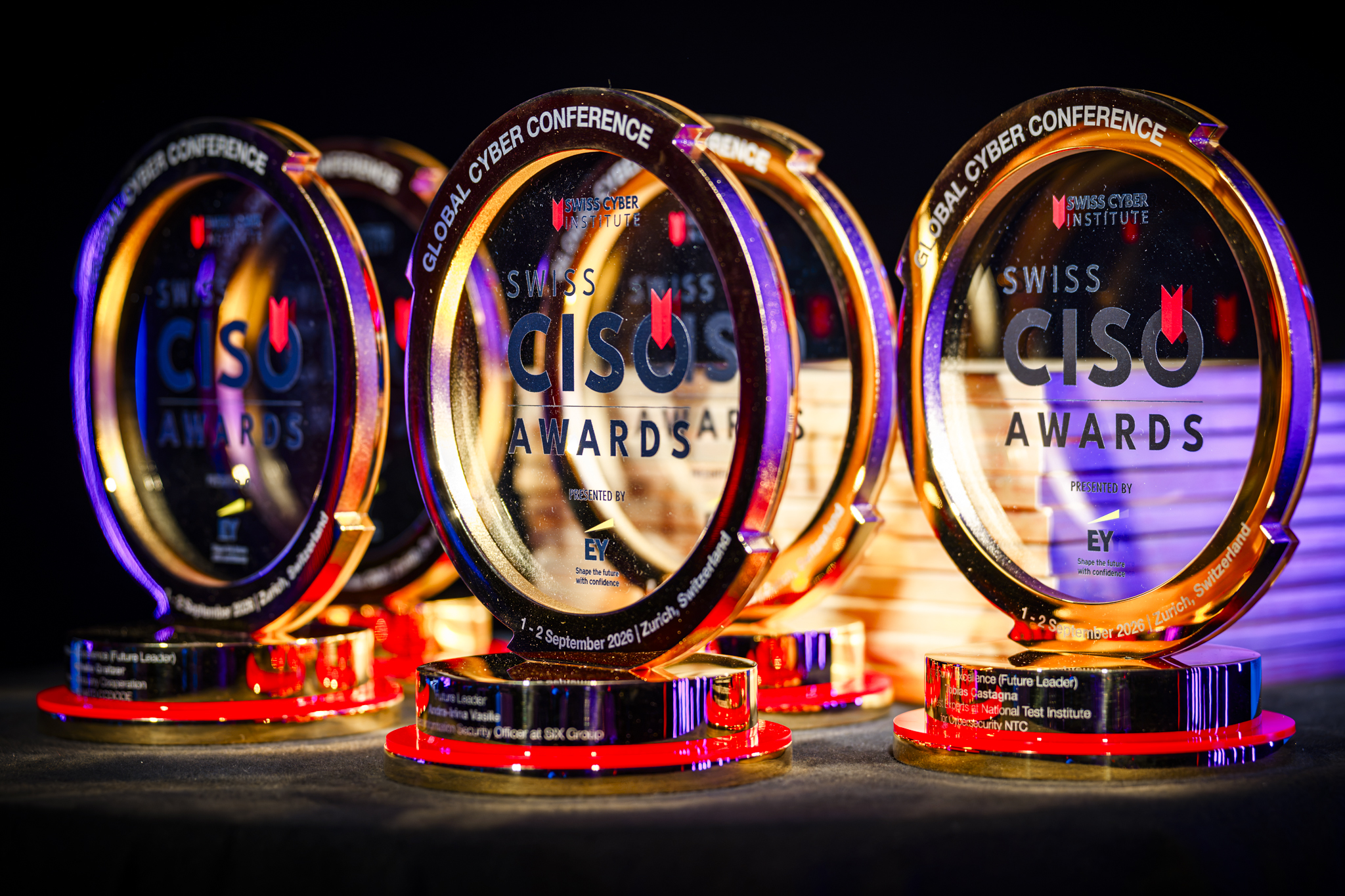
The program is complemented by the Swiss CISO Awards. They recognize security leaders in the categories “Swiss CISO of the Year,” and “Future Leader.” The conference also puts the spotlight on people who embed cybersecurity within their organizations and often take responsibility in roles where expectations are high.
The Global Cyber Conference has developed into an important meeting point for the Swiss and European cybersecurity community. Its value lies not only in the presentations. Just as important are the relationships that develop among companies, public authorities, researchers, and international experts. Because when the next serious attack begins, it is too late to start building a trusted network.

